 Call us: +(801) 798-7757
  Open Monday - Friday 8:00am - 5:00pm
Hazardous Tree Removal
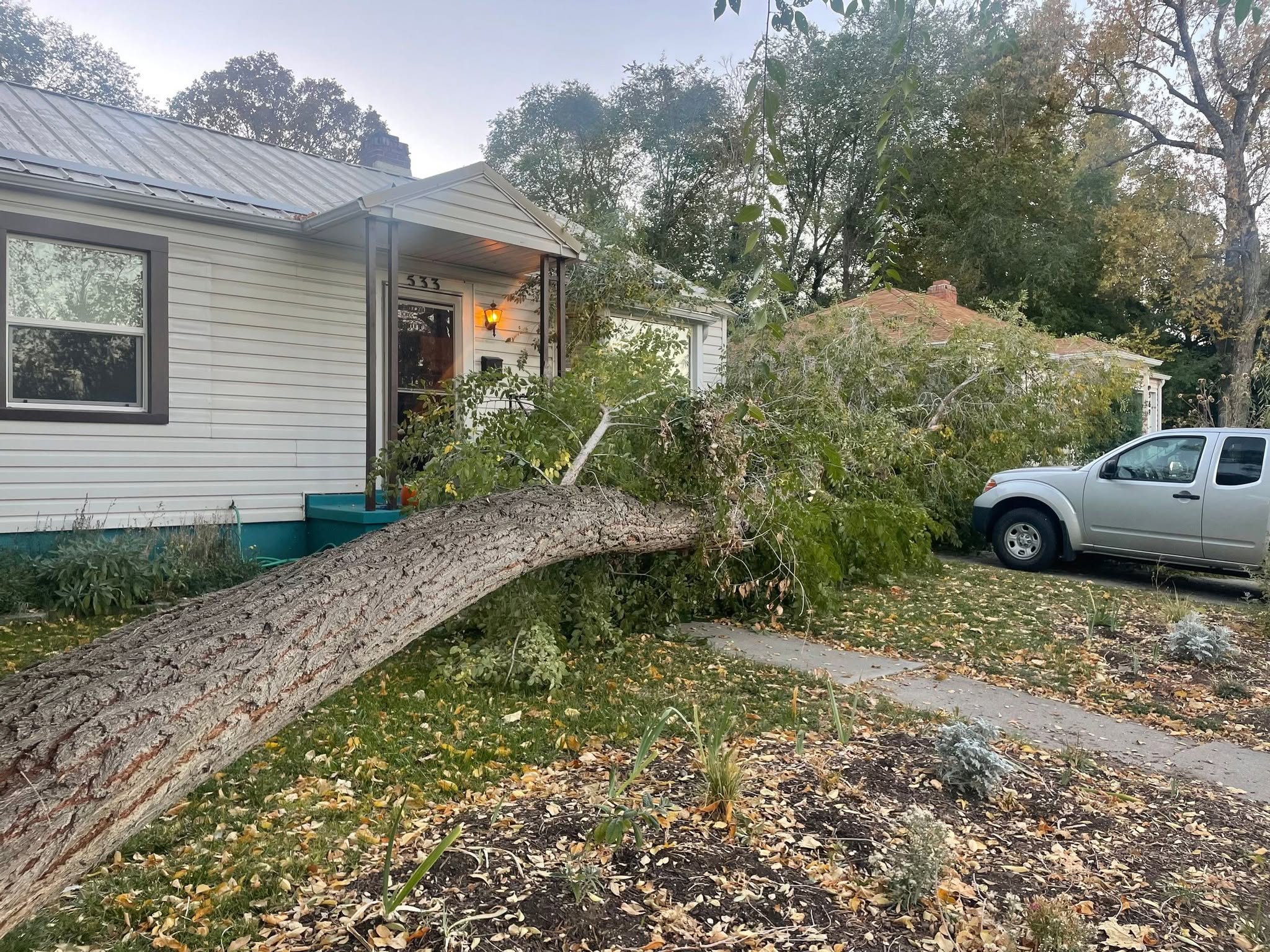
What's At Risk When a Hazardous Tree Comes Down
A single tree failure can cause damage that reaches far beyond a fallen branch. Here's what's actually on the line when a hazardous tree is left unaddressed.
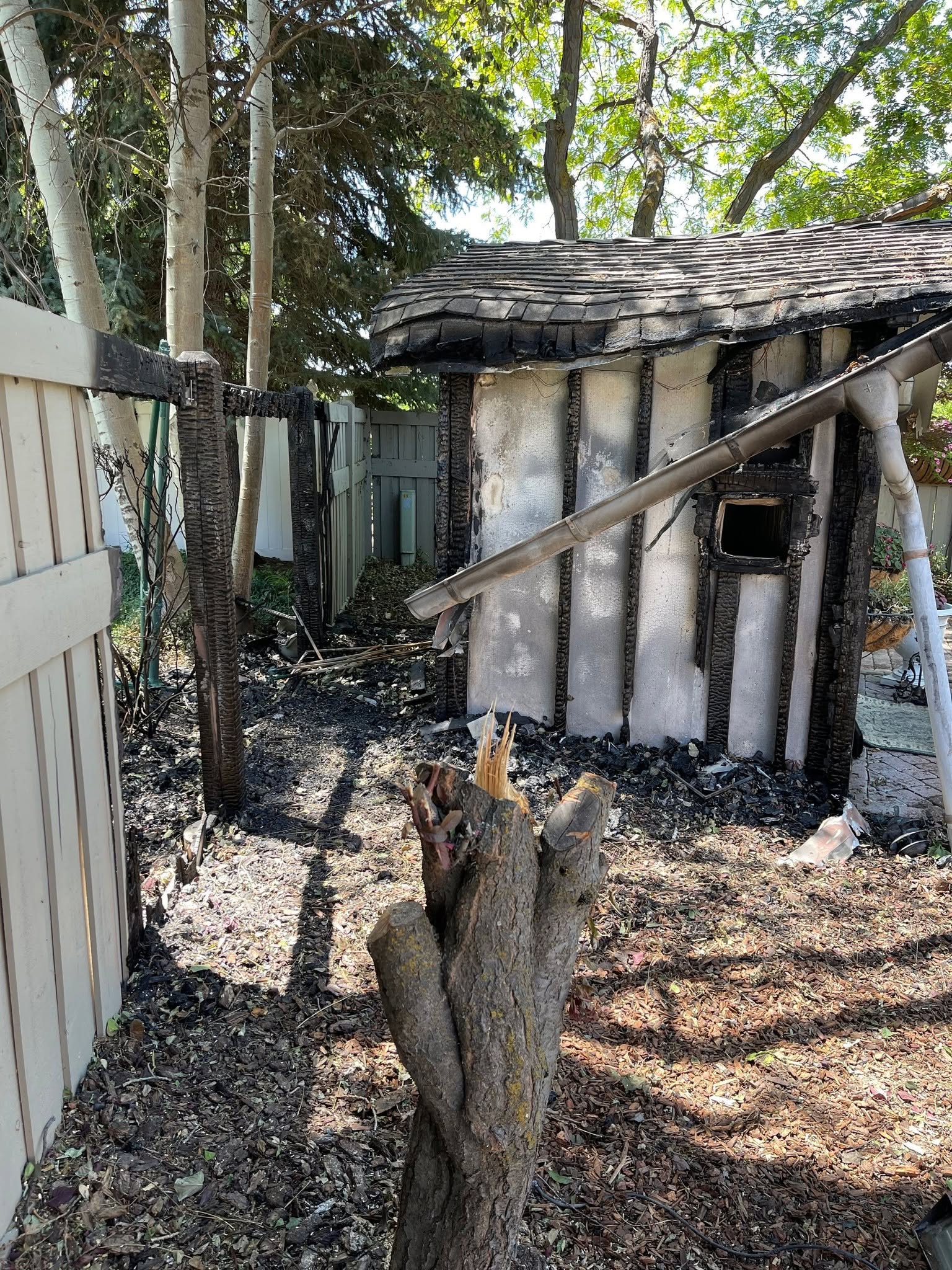
Wildfire Risk
Dead wood, dry brush, and branches touching a structure are fuel. During Utah's hot, dry summers, one hazardous tree can turn a stray spark into a serious wildfire threat for your home and neighborhood.
Power & Utility Lines
Branches growing into overhead lines can cause outages, sparked fires, or a downed live wire. We work carefully around utility lines to clear the hazard without putting your service — or our crew — at risk.
Personal Injury
Falling limbs and toppling trees are a leading cause of yard-related injuries. Weak wood doesn't always fail on the stormiest day — waiting for "the right time" can mean waiting too long.
Property & Structural Damage
A leaning trunk or overextended limb near your roof, siding, fence, or driveway is a claim waiting to happen. Removing the hazard is almost always cheaper than repairing what it lands on.
Reactive vs. Proactive Tree Care
Most homeowners only start thinking about a hazardous tree after it's already fallen. By then, the choice has already been made for you. Here's the difference between waiting for something to happen and taking care of it first.
Wait And See
- An emergency, after-hours call when the tree finally comes down
- Damage to your roof, fence, vehicle, or a neighbor's property
- Downed power or utility lines, and the outage that follows
- A rushed insurance claim and a higher premium down the road
- Real risk to your family and anyone nearby when it happens
Plan Ahead
- A scheduled removal, done safely and on your terms
- Lower cost than emergency, after-the-fact cleanup and repairs
- Your home, power lines, and family protected before storm season
- One less thing to worry about when the wind picks up
Signs Your Tree May Be a Hidden Hazard
Not every hazardous tree is obvious from the curb — some of the most dangerous ones still look green and healthy. During every inspection, our Certified Arborists check for the warning signs that tend to get overlooked until it's too late.
Warning Signs We Look For:
- Leaning trunks or trees that have shifted after a storm or heavy wind
- Dead, cracked, or hanging branches — especially over your house, driveway, or a power line
- Visible root damage, heaving soil, or shallow, exposed roots
- Fungus, cavities, or soft, decaying wood along the trunk
- Branches growing into or rubbing against power and utility lines
- Multiple trunks growing from one base, a common structural failure point
While your city's utility department may trim limbs away from primary power lines at no cost, they generally won't touch secondary lines. Those carry 120 to 240 volts — less than a primary line, but still plenty risky. If you're ever unsure, we're always happy to take a look and give you a second opinion.

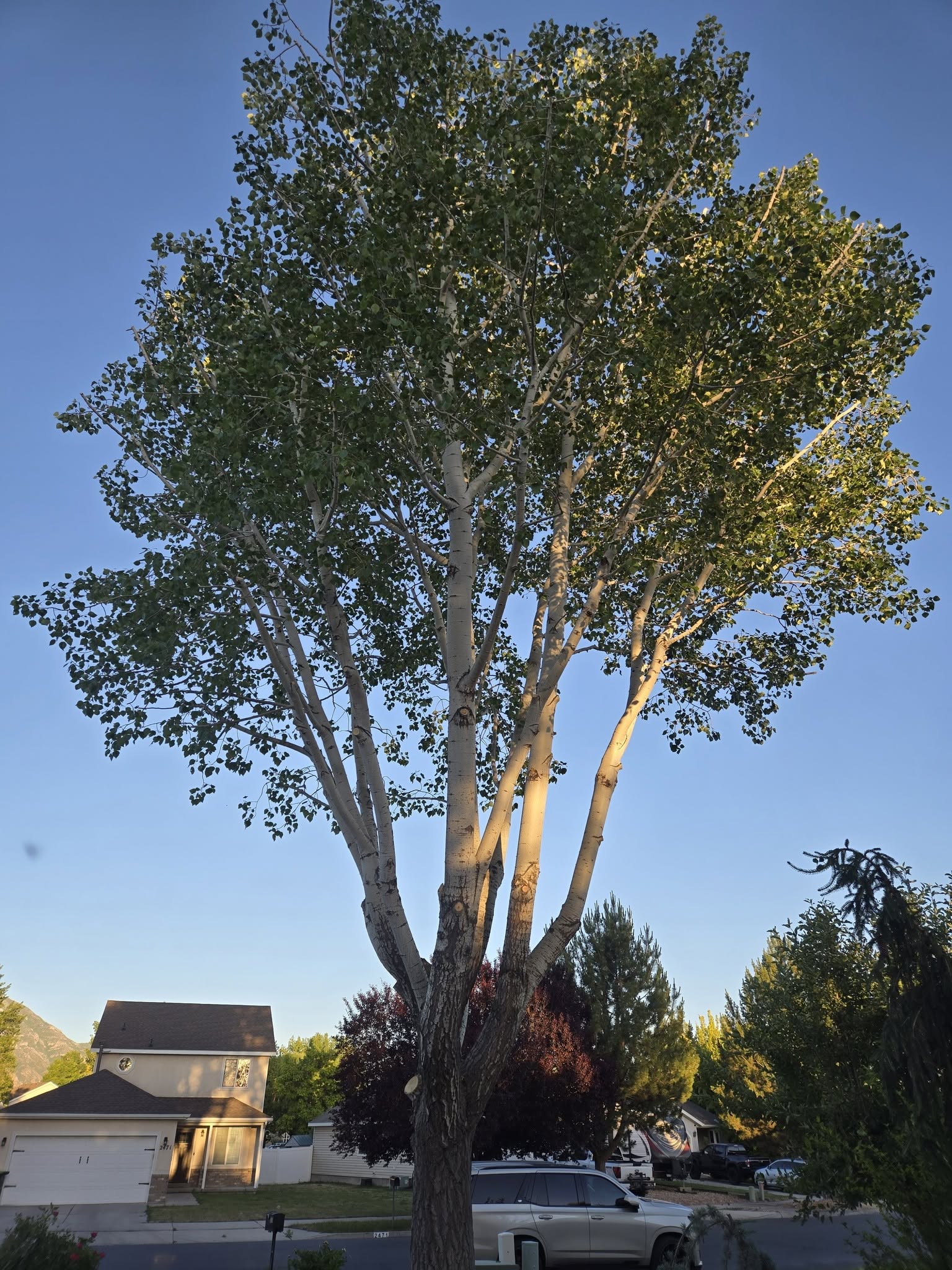
It's Better To Be Prepared Than Caught Off Guard
Plan for the worst, hope for the best — it's how we approach every hazard tree assessment. A little prevention today, before a summer storm or a dry season, can save your home, your power, and your peace of mind tomorrow.
What Our Customers Are Saying
At Seven Trees Company, we take pride in providing expert tree care with a family touch. For over 60 years, homeowners and businesses across Spanish Fork and nearby counties have trusted us for everything from emergency removals to routine trimming. Our commitment to quality, reliability, and friendly service has earned us the loyalty of our community—and plenty of 5-star reviews. See why your neighbors choose Seven Trees!